The Little Marvin Toys by Age

This is the place where even the smallest decision can create a huge impact. Each choice you make is more than just a toy - it’s a step toward stronger tomorrow. With every thoughtful pick, you’re investing in your child’s future. Choose with care - the journey begins here.

The Little Marvin Toys By Age

This is the place where small decision creates big impact. Each choice here is a step toward stronger tomorrow. You’re investing in your child’s future. Pick with care - the journey starts here.

Choosing toys by age helps parents and gift buyers find options that better match a child’s current stage. A baby, toddler, preschooler, and older child all use toys differently, so the right choice often depends on how the child explores, moves, listens, builds, reads, solves problems, or plays with others.

At The Little Marvin, we organize toys by age to make that choice easier. Our age-based collections help parents, grandparents, caregivers, teachers, and gift buyers browse toys that match different stages of learning through play.

You can explore toys for babies from 0-12 months, toddlers from 1-2 years, preschoolers from 3-4 years, and children aged 5 and older. Each age group includes toys chosen for hands-on play, curiosity, creativity, early learning, and practical everyday use.

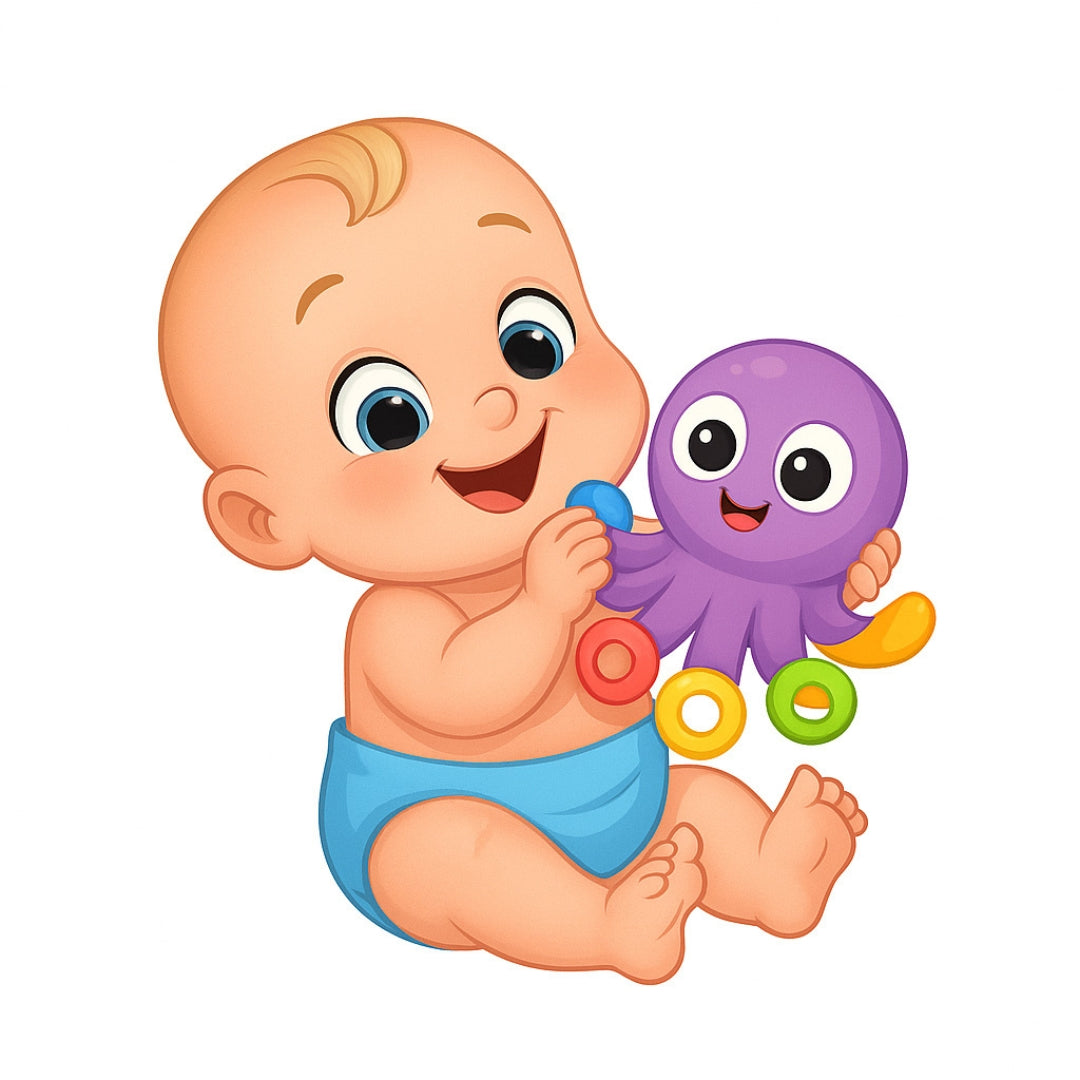
  • 0-12 Months Old

    Baby toys in the first year often focus on gentle sensory play, comfort, touch, sound, sight, and simple interaction. Soft books, rattles, sensory toys, musical toys, and early hands-on toys can help babies notice, reach, listen, and explore with adult support nearby.

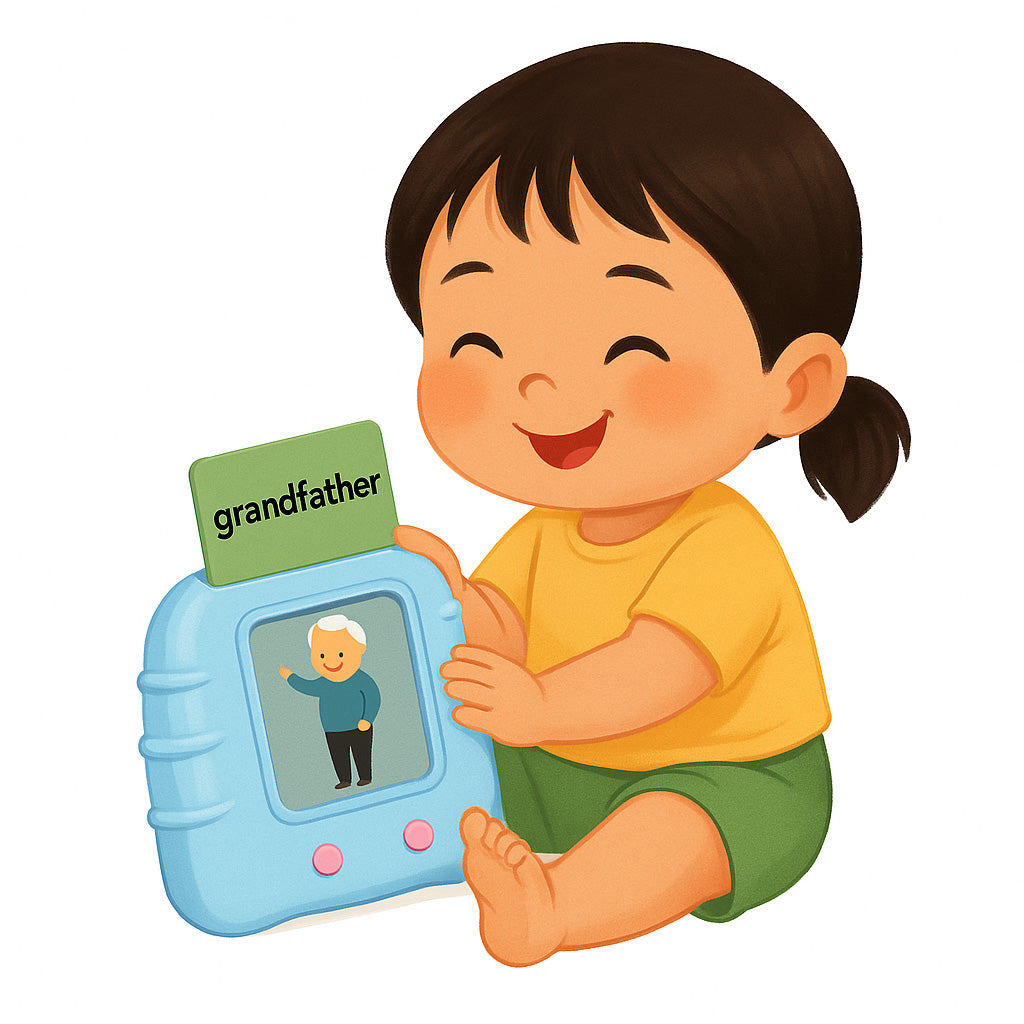
  • 1-2 Year Olds

    Toddlers between 1 and 2 are learning through movement, repetition, sound, and simple choices. Toys for this stage often support early words, shapes, colors, balance, coordination, sorting, matching, and small hands-on discoveries.

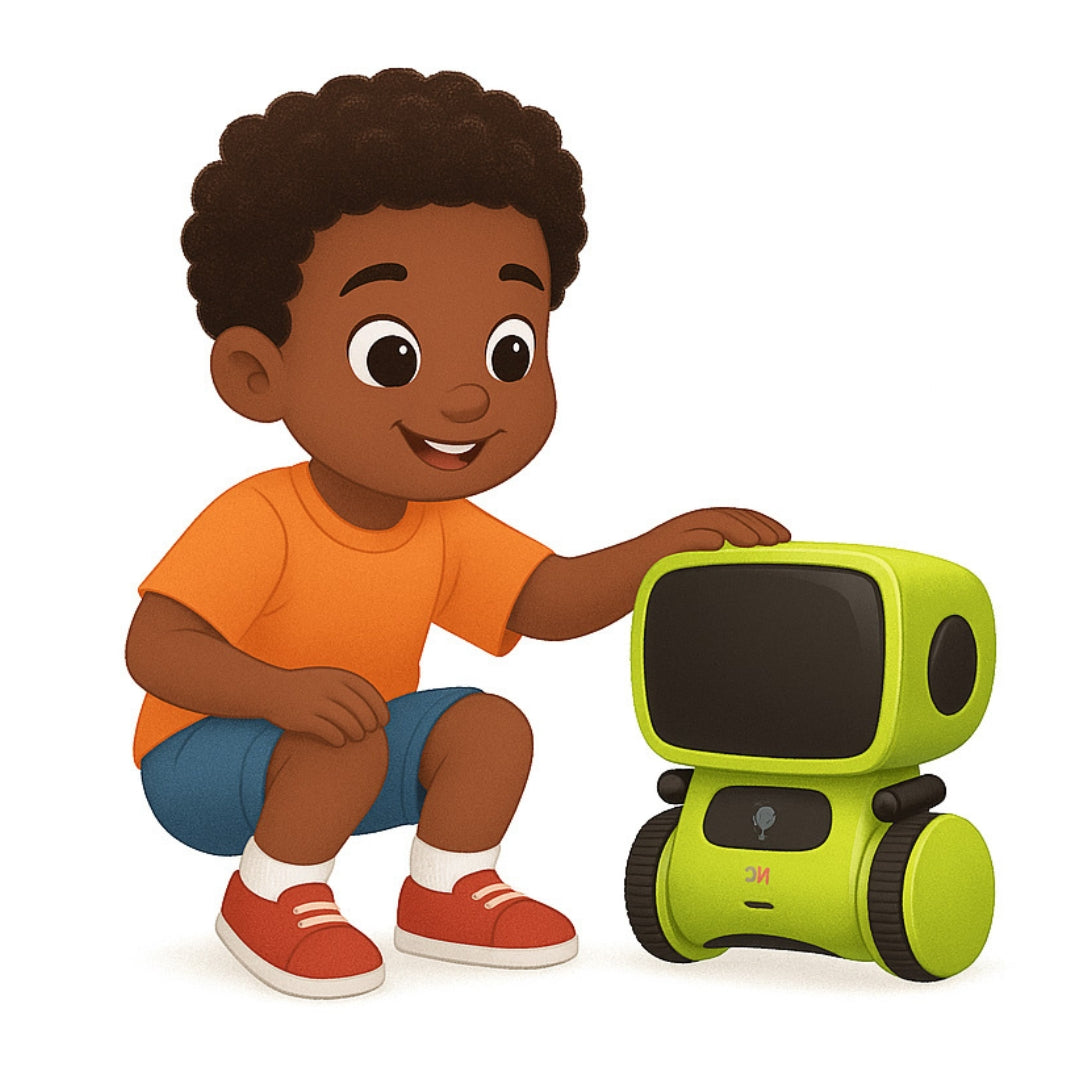
  • 3-4 Year Olds

    Children aged 3-4 often bring more questions, imagination, language, and independence into play. Toys for this stage can support pretend play, storytelling, puzzles, building, early STEM discovery, communication, creativity, and problem-solving.

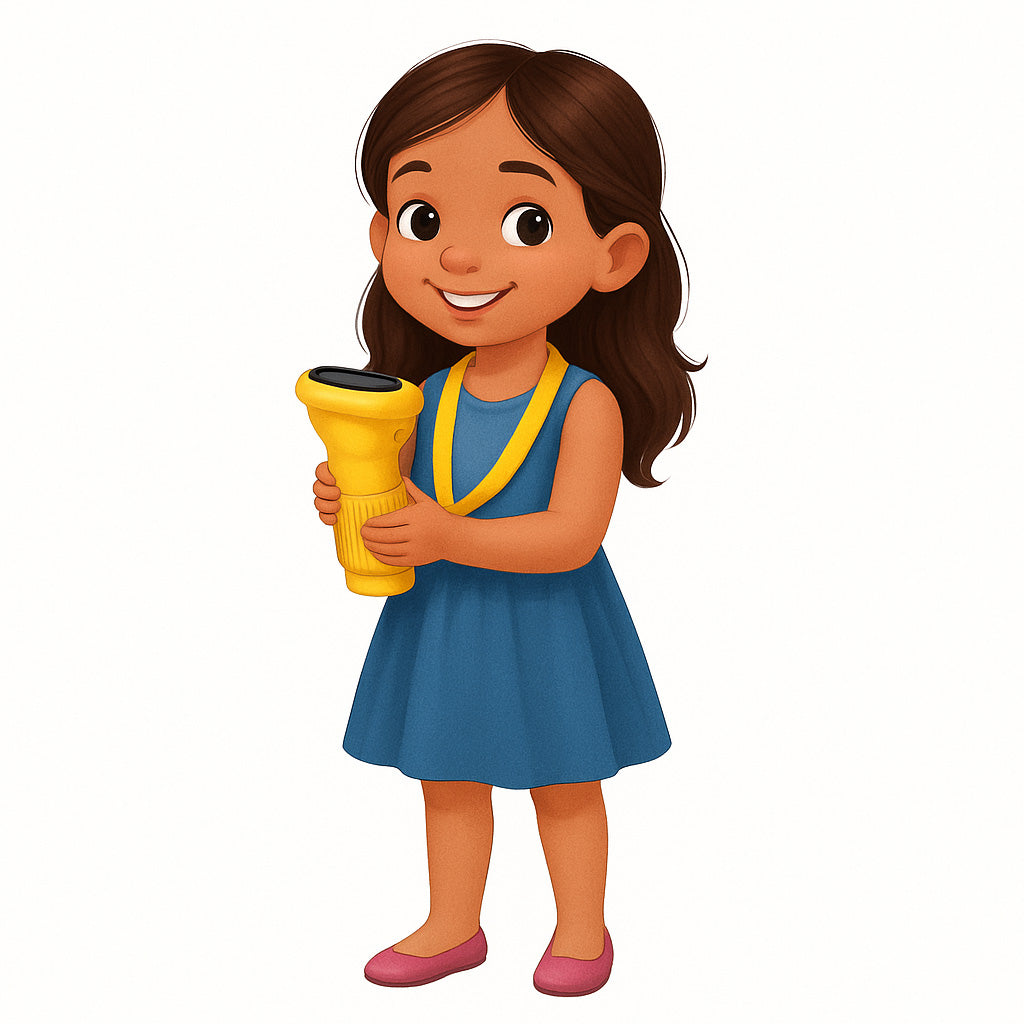
  • 5+ Year Olds

    Children aged 5 and older are often ready for toys with more challenge, more choice, and more room for independent thinking. Science toys, building sets, puzzles, creative tools, communication toys, and learning kits can support curiosity, focus, creativity, observation, and problem-solving.

How to Choose Toys by Age

Start with the child’s current stage, not only the age printed on the package. Age guidance is important, but children also have different interests, attention spans, and comfort levels with new activities.

  • For babies, look for toys that are simple, gentle, and easy for adults to supervise. 
  • For toddlers, choose toys that invite movement, sound, sorting, matching, or early language. 
  • For preschoolers, look for toys that support pretend play, puzzles, books, building, and hands-on discovery. 
  • For children aged 5 and older, choose toys that offer more challenge, creativity, problem-solving, or independent exploration.

The best toy usually gives a child something clear to try and a reason to come back to it. Product details, photos, customer reviews, and age guidance can help you choose with more confidence before buying.

Why Age-Appropriate Toys Matter

Children change quickly, and toys can feel very different from one stage to the next. A toy that feels exciting for an older child may be too detailed for a toddler, while a toy that feels right for a baby may be too simple for a preschooler.

Age-based toy shopping helps narrow the choice. It gives adults a better starting point when choosing gifts, classroom toys, daycare activities, homeschool materials, or everyday play options.

The Little Marvin uses age-based collections to help families find toys that fit real play. Some toys support sensory exploration. Some help with movement or fine-motor practice. Others invite books, building, puzzles, STEM discovery, pretend play, music, creativity, or independent problem-solving.

Learning Through Play at Every Stage

Learning through play looks different at each age. Babies may learn by touching, listening, looking, and repeating small interactions. Toddlers may learn through movement, cause-and-effect, simple words, colors, shapes, and hands-on activities.

Preschoolers often use toys to ask questions, tell stories, build confidence, and practice early problem-solving. Older children may enjoy more detailed projects, science tools, building sets, creative kits, and toys that let them test ideas or work through a challenge.

The goal is not to make play feel formal. The goal is to help children enjoy toys that match where they are now, while giving them room to feel curious, capable, and proud of what they can do.

Why Parents Choose The Little Marvin Toys by Age

We choose toys carefully because parents and gift buyers need more than a long list of products. They need a clear way to find toys that fit a child’s stage, interests, and play style.

Our age-based collections focus on hands-on learning, age fit, product quality, curiosity, creativity, and toys children are happy to use again. Product details, customer reviews, shipping information, returns, and customer support are available to help customers shop with more confidence.


Answers to Frequently Asked Questions About Toys by Age

How do I choose toys based on my child’s age?

Start with the child’s age range, then look at their current interests and how they like to play. Some children prefer movement, while others enjoy books, puzzles, building, music, or quiet hands-on tasks. Always check each product’s age guidance before buying.

What toys are good for babies aged 0-12 months?

Good toys for babies in the first year are usually simple, gentle, and easy for adults to supervise. Soft books, rattles, sensory toys, musical toys, and early hands-on toys can support small moments of touch, sound, sight, and shared play.

What toys are good for 1-2-year-olds?

Toys for 1-2-year-olds often support movement, early words, colors, shapes, sorting, matching, sounds, and hands-on exploration. Books, puzzles, shape toys, balance toys, musical toys, and Montessori-inspired activity toys can all fit this stage when the product’s age guidance matches the child.

What toys are good for 3-4-year-olds?

Children aged 3-4 often enjoy toys that support imagination, questions, storytelling, problem-solving, building, communication, and early discovery. Books, puzzles, pretend-play toys, STEM toys, Montessori-inspired activities, musical toys, and creative tools can all work well for this stage.

What toys are good for 5+ year olds?

Children aged 5 and older may enjoy toys that offer greater challenge and encourage more independent thinking. Science toys, microscopes, puzzles, building sets, creative kits, walkie-talkies, music toys, learning boards, and problem-solving toys can all be useful when they match the child’s interests and age guidance.

Why should I shop for toys by age?

Shopping by age helps narrow the choice and makes it easier to find toys that fit the child’s current stage. It can also help parents and gift buyers compare options by play style, complexity, learning value, and everyday use.

Are Montessori-inspired and STEM toys suitable for every age?

Montessori-inspired and STEM toys can suit different ages when the product design and age guidance fit the child. For younger children, the focus is usually simple hands-on play. For older children, play can become more detailed, exploratory, and problem-solving-focused.

Are age-based toys good gifts?

Yes. Age-based toys can make thoughtful gifts because they give the buyer a clear starting point. Choosing by age, interest, and play style can help the gift feel useful, enjoyable, and easier for the family to use.