Parent Learning FAQ
At The Little Marvin, we choose toys that give children a real role in play, not just something to watch. This FAQ answers practical questions adults ask when choosing educational toys for home, gifts, classrooms, and daycare settings.
Educational Toys by Age
-
0-12 months old
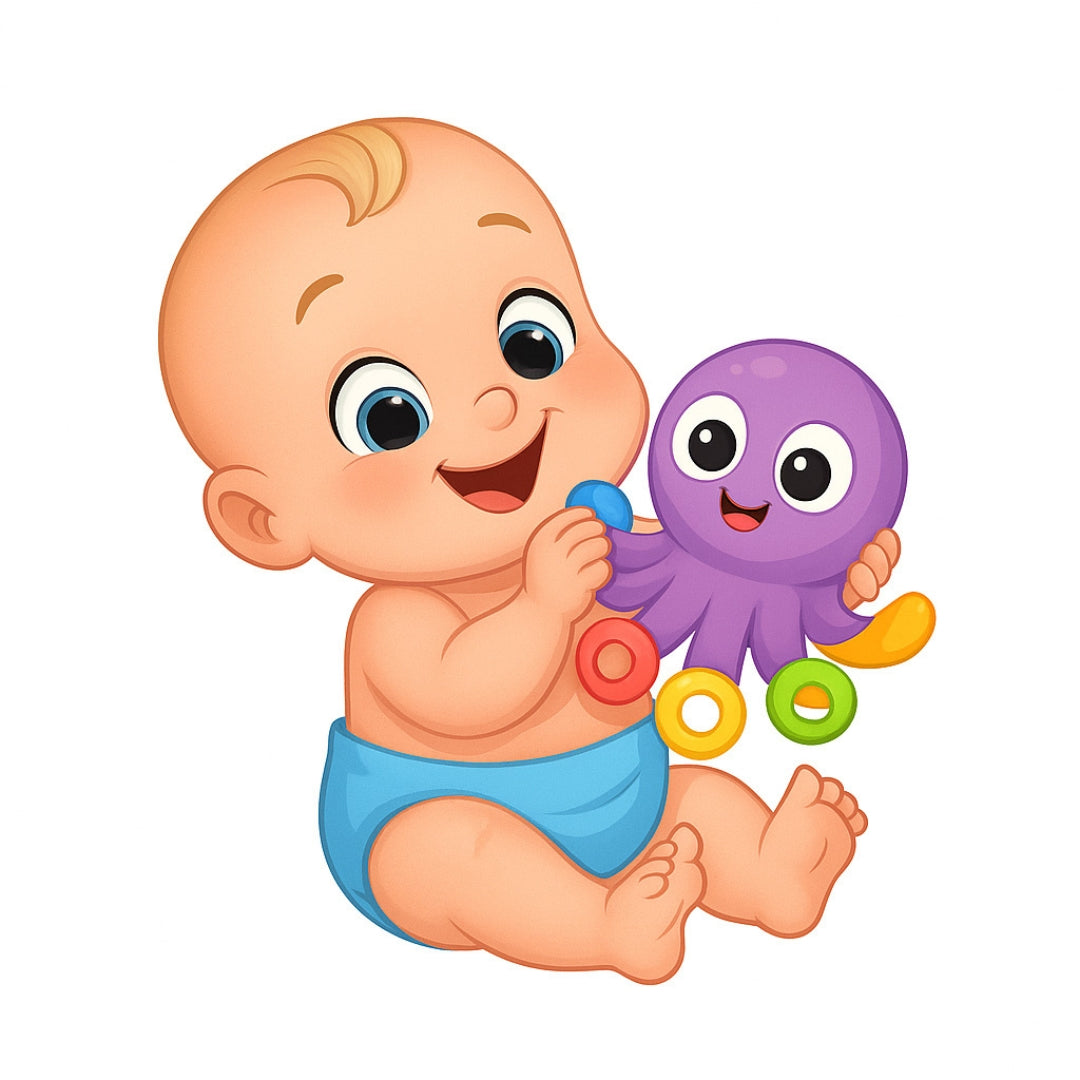
Babies can start enjoying toys usually when they reach 3 months of...
-
1-2 year olds
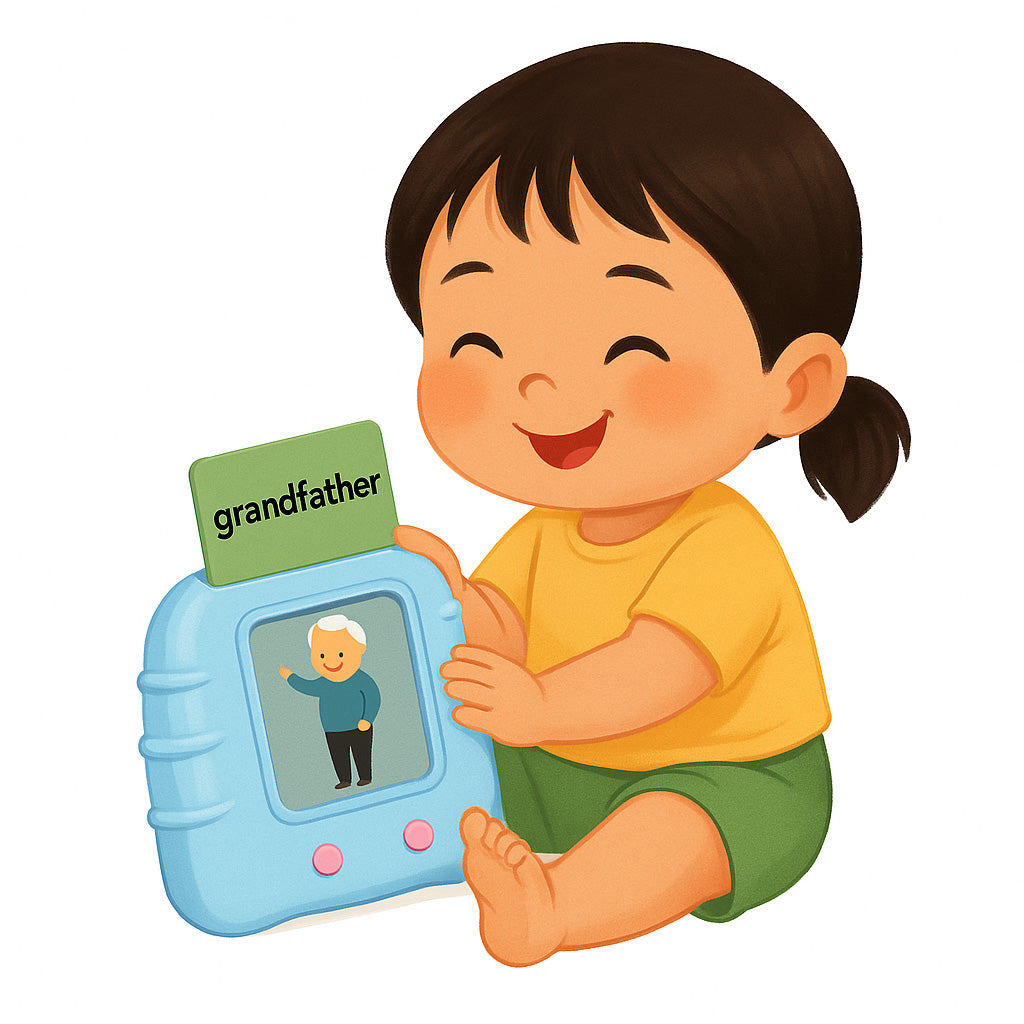
Toddlers at this age are full of energy—running, spinning, climbing, and testing...
-
3-4 year olds
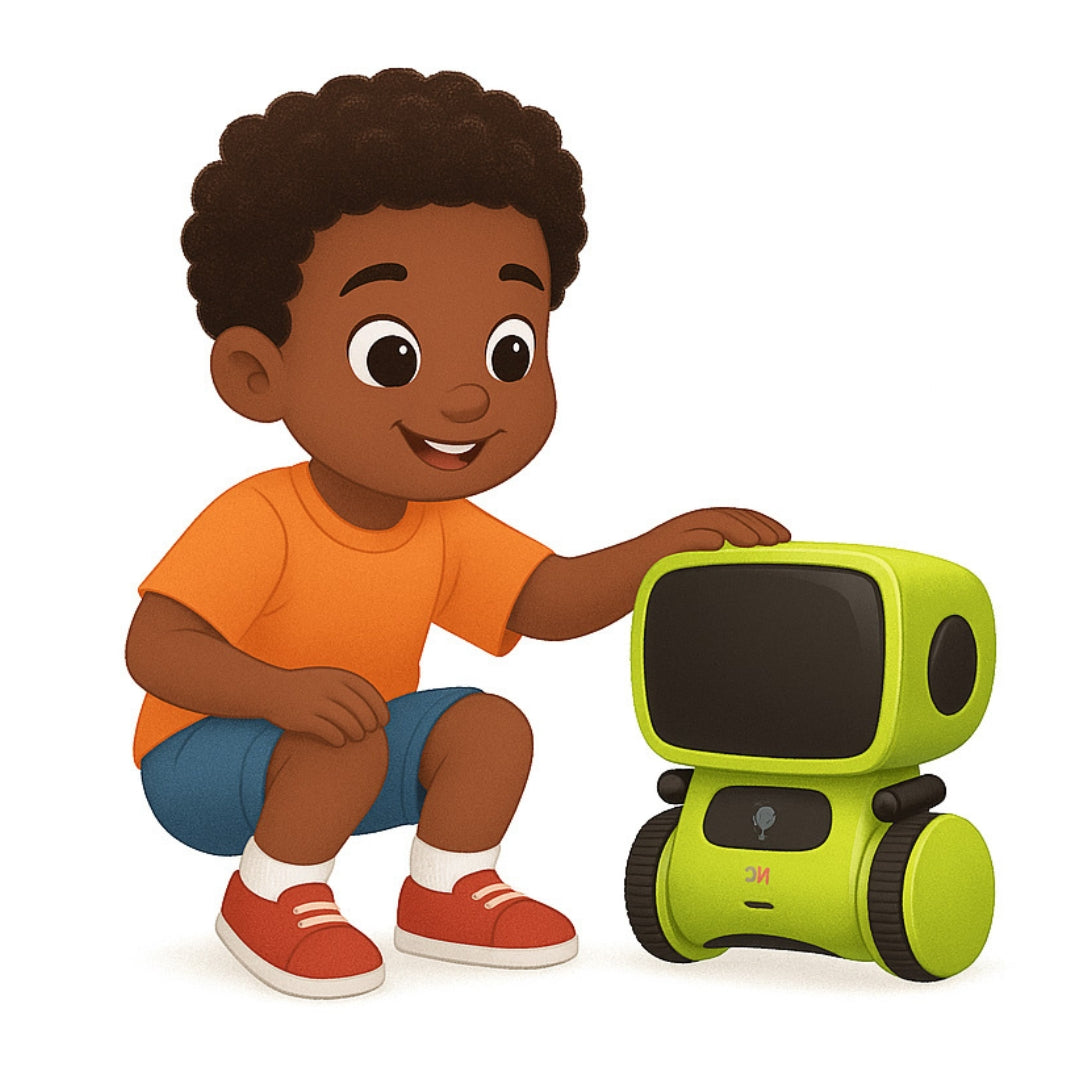
This is the age when curiosity blooms and imaginations soar. Children start...
-
5+ year olds
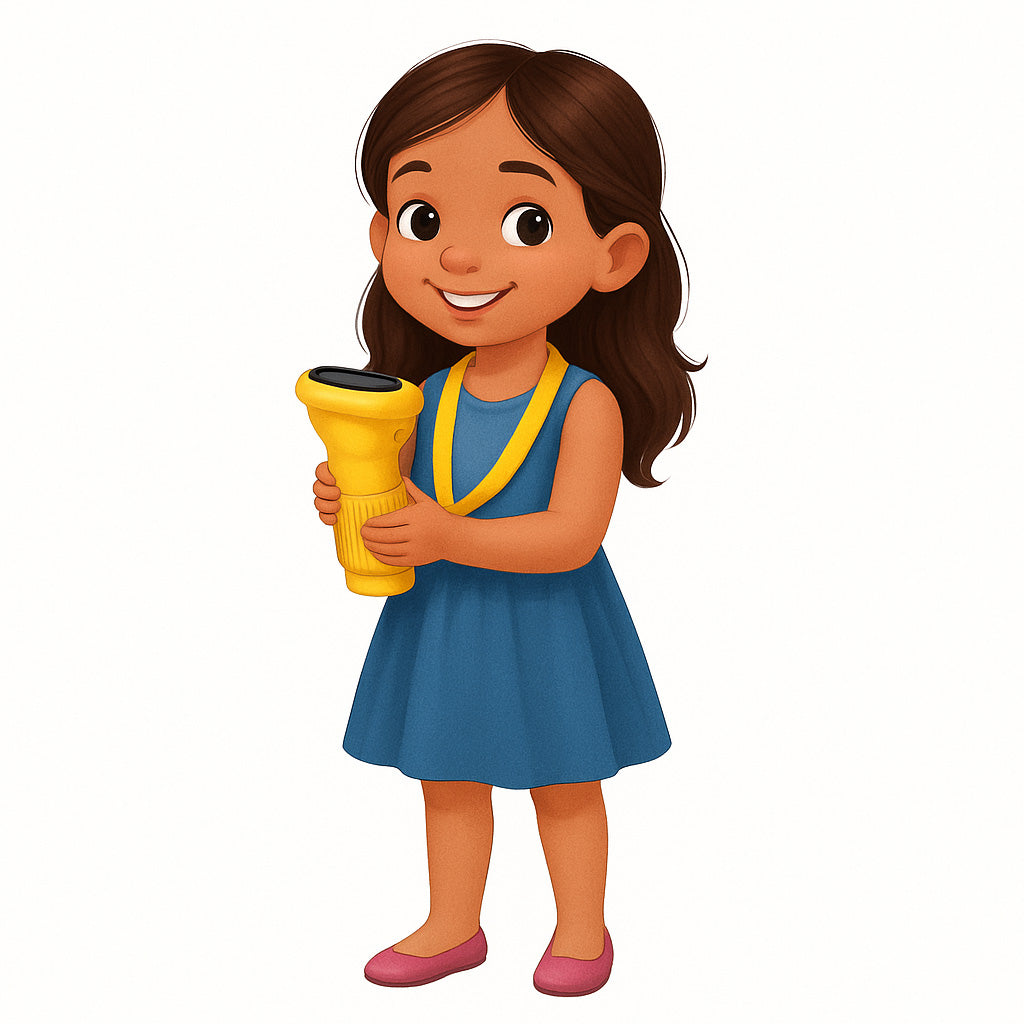
At 5 years old and beyond, children are bursting with curiosity, creativity,...
How do I choose educational toys by age?
Choose educational toys by considering the child’s age, attention span, coordination, interests, and how much help they might need. The best toys match what a child can already do while gently encouraging them to try something new. The Little Marvin product pages include age recommendations and helpful details to guide your choice.
What educational toys are best for babies?
Educational toys for babies should support safe sensory discovery, simple movement, sound awareness, and early interaction with adults. At this stage, babies learn through looking, touching, listening, reaching, and repeating simple actions. Always check the product age range, parts, materials, and supervision guidance before choosing a toy for a baby.
What educational toys are best for toddlers?
Educational toys for toddlers should support hands-on play, movement, early language, simple problem-solving, and pretend play. Toddlers often enjoy toys that let them push, sort, build, listen, match, repeat, or copy what adults do. Choose toys with clear age guidance and simple use, since toddlers usually need adult help and supervision.
What toys are good for preschool learning?
Good preschool learning toys give children room to use their hands, ask questions, pretend, listen, build, read, and try again. At this age, toys should feel playful while supporting early skills such as coordination, language, imagination, and attention. Montessori-inspired toys, STEM toys, books, wooden toys, and pretend-play products can all work well when they match the child’s age and interests.
What toys are good for older children?
Older children often enjoy toys that require closer observation, more patience, more independent thinking, or longer activities. Kids’ microscopes, STEM kits, building toys, books, creative tools, and problem-solving toys can support learning when they give the child a real role in the activity. The best choice depends on the child’s interests, maturity, and comfort with following instructions.
Child Development and Learning
What toys help child development?
Toys can support child development when they give children something meaningful to do. A child may practice hand control, use new words, explore a small challenge, remember a step, or explain what they notice. A strong developmental toy does not need to feel like a lesson. It should give the child a reason to participate and return to the activity.
How do educational toys support learning?
Educational toys support learning by engaging the child in the activity. Instead of only watching, the child can try something, notice a result, make a choice, or explain what happened. These moments can naturally support focus, confidence, communication, and problem-solving.
Can toys help with fine motor skills?
Yes. A variety of Little Marvin toys can support fine motor practice by encouraging children to use careful hand movements. Writing tools, wooden toys, puzzles, building sets, and hands-on STEM activities can help when a child is asked to place, turn, trace, build, sort, or control small pieces.
Can toys help with language development?
Toys can support language development in simple, natural ways. Children may talk to toys, name objects, ask questions, repeat words, or tell small stories during play. Listening, naming, and conversation all help build language over time. Books, sound toys, pretend play, and shared moments with adults can all support language development by giving children opportunities to use words and interact.
Can toys help children build confidence?
Toys can help children build confidence when they offer a task the child can try, repeat, and improve with practice. Children often feel more confident when they can make something happen, solve a small problem, or explain a discovery to an adult. The best toys give children a clear role without making the activity feel stressful.
What toys help child development?
Toys can support child development when they give children something meaningful to do. A child may practice hand control, use new words, explore a small challenge, remember a step, or explain what they notice. A strong developmental toy does not need to feel like a lesson. It should give the child a reason to participate and return to the activity.
How do educational toys support learning?
Educational toys support learning by engaging the child in the activity. Instead of only watching, the child can try something, notice a result, make a choice, or explain what happened. These moments can naturally support focus, confidence, communication, and problem-solving.
Can toys help with fine motor skills?
Yes. A variety of Little Marvin toys can support fine motor practice by encouraging children to use careful hand movements. Writing tools, wooden toys, puzzles, building sets, and hands-on STEM activities can help when a child is asked to place, turn, trace, build, sort, or control small pieces.
Can toys help with language development?
Toys can support language development in simple, natural ways. Children may talk to toys, name objects, ask questions, repeat words, or tell small stories during play. Listening, naming, and conversation all help build language over time. Books, sound toys, pretend play, and shared moments with adults can all support language development by giving children opportunities to use words and interact.
Can toys help children build confidence?
Toys can help children build confidence when they offer a task the child can try, repeat, and improve with practice. Children often feel more confident when they can make something happen, solve a small problem, or explain a discovery to an adult. The best toys give children a clear role without making the activity feel stressful.

Montessori, STEM, and Learning Styles
-
Montessori Toys
Montessori toys encourage children to explore, think, and play independently. Our curated...
-
Kids' Books
Kids’ books open the door to imagination, learning, and meaningful moments together....
What age is best for Montessori toys?
Montessori-inspired toys can be useful at many ages when they match the child’s stage and ability. Younger children may benefit from simple hands-on activities, repetition, order, and movement. Older children may enjoy more focused tasks that support independence, concentration, and problem-solving.
What makes a toy Montessori-inspired?
A Montessori-inspired toy usually encourages hands-on activity, independence, repetition, focus, and purposeful use. It should give the child a chance to participate instead of only watching something happen. The Little Marvin chooses toys that follow these ideas without sticking to strict Montessori rules.
What is the difference between Montessori toys and STEM toys?
Montessori-inspired toys often focus on independence, hands-on practice, concentration, and self-directed activity. STEM toys often focus on observation, testing, building, cause and effect, and problem-solving. The two can overlap when a toy lets a child explore actively, make choices, and learn through direct experience.
How do STEM toys support learning?
STEM toys support learning by helping children observe, compare, test, build, ask questions, and notice cause and effect. A child does not need advanced science words to benefit from STEM play. A microscope, robot toy, building activity, or problem-solving toy can support STEM curiosity when it matches the child’s age and skill level.
Are microscopes good educational toys for kids?
Kids’ microscopes can be strong educational toys because they help children look closer at everyday objects and ask new questions. A microscope can support observation, patience, curiosity, and early science discovery. Choose a kids’ microscope based on age guidance, ease of use, magnification, durability, and the level of adult help the child may need.
Are microscopes safe for kids?
A kids’ microscope can be safe for children when it is age-appropriate, used as directed, and supervised when needed. Adults should check the product age range, parts, battery needs, materials, and handling guidance before use. Younger children may need help setting up the microscope and using it carefully.
Screens, Digital Features, and Active Play
-
Microscopes for Kids
Discover our fun and educational microscopes for kids! Perfect for young scientists,...
-
Wooden Toys
Handcrafted fun made safe and simple - our wooden toys inspire active...
-
Our Bestsellers
Shop our best selling kids toys loved by parents and grandparents. Discover...
Is a toy with a screen always screen time?
No. A built-in screen is not the same as passive screen time when the child is using it to explore, observe, or interact with something real. For example, an LCD digital microscope has a display, but the child is still looking closely at objects, adjusting what they see, asking questions, and sharing discoveries. That kind of use fits active STEM play.
Is an LCD digital microscope considered screen time?
An LCD digital microscope includes a screen, but it is not used the same way as a video, app, or passive entertainment screen. The display helps children observe real objects more closely, adjust what they are viewing, and talk about what they notice. When a child is handling samples, asking questions, and exploring through the microscope, the screen supports active STEM learning rather than replacing play.
Why is screen-free play important?
Screen-free play gives children more opportunities to use their hands, movement, language, imagination, and problem-solving in real-world activities. It can also create more shared moments with parents, caregivers, siblings, or classmates. A good screen-free toy gives the child something to do, not just something to watch.
How can I encourage less passive screen time at home?
Choose toys that give the child a clear role in the activity. It can help to start the toy together, ask one simple question, or connect the play to something the child can touch, build, hear, observe, or explain. Less passive screen time works best when children have something interesting to do away from videos or apps.
Gift Buying
What makes a good educational toy gift?
A good educational toy gift should feel fun to the child and practical for the adult choosing it. Look for a toy that fits the child’s age, offers active play, and has enough play value to be used more than once. Product details such as size, parts, batteries, and supervision needs can also help you choose more carefully.
How do I choose a gift if I do not know the child’s exact interests?
Start with the child’s age and choose a toy with a clear, flexible activity. Books, simple STEM toys, building toys, pretend-play products, and hands-on discovery toys can all be good options when you are unsure of a child’s favorite theme. The Little Marvin age-based collections can also help narrow the choice.
Are educational toys good birthday gifts?
Educational toys can make excellent birthday gifts when they are age-appropriate and easy to enjoy. A birthday gift should not feel like homework. The best choice is a toy the child can explore, use, and return to after the first day.
Are STEM toys good gifts?
STEM toys can be good gifts for children who enjoy asking questions, building, observing, or figuring out how things work. Choose a STEM toy that matches the child’s age and comfort level. For younger children, simple discovery tools or cause-and-effect toys are often better than advanced kits with too much setup.
Classroom and Daycare Use
Can educational toys be used in classrooms?
Yes. Educational toys can support classroom activities when they are age-appropriate, easy to introduce, and useful for guided or small-group play. Teachers often need toys that children can use with purpose, repeat over time, and share safely with others. Product details and age guidance should be reviewed before classroom use.
What toys work well for daycare centers?
Daycare toys should be practical, age-appropriate, engaging, and easy for adults to supervise. Many daycare settings benefit from toys that support movement, language, sensory discovery, pretend play, early science, books, or simple hands-on practice. The right choice depends on the room, age group, and level of adult guidance.
Do you support larger orders for schools or daycare centers?
Yes. The Little Marvin supports larger educational toy orders for schools, daycare centers, camps, events, and children’s programs. Special pricing may be available for orders of 10 or more items, depending on product selection, quantity, and availability. Schools and organizations can contact The Little Marvin for quote support before ordering.
Can toys support group learning?
Toys can support group learning when they invite children to share materials, take turns, talk about what they see, build together, or follow a guided activity. A strong group-learning toy should be easy for adults to manage and meaningful for children to use. Age fit and supervision needs are especially important in group settings.
Safety, Returns, and Support
How should parents check if a toy is safe for a child?
Parents should check the toy’s age range, parts, materials, battery needs, setup requirements, and supervision guidance before giving it to a child. Younger children may need extra support with toys that include small parts, electronic components, moving features, or detailed instructions. Product pages should be reviewed carefully before purchase.
What should I do if I need help choosing a toy?
Contact The Little Marvin if you need help choosing a toy by age, interest, learning goal, or gift occasion. Sharing the child’s age, interests, and the type of play you want to support can help the team suggest a more suitable option. Product pages also include details to help with selection.
What if I am not happy with my order?
The Little Marvin offers a 30-day satisfaction guarantee. If you are not happy with your order, contact the team for help with a return or refund. Keep your order details available so support can review the request more quickly.
Who should I contact for order support?
Contact The Little Marvin team by email or phone for order support, product questions, returns, or help choosing a toy. Include your order number if you have already placed an order. For product selection help, include the child’s age and any details about the toy you are considering.